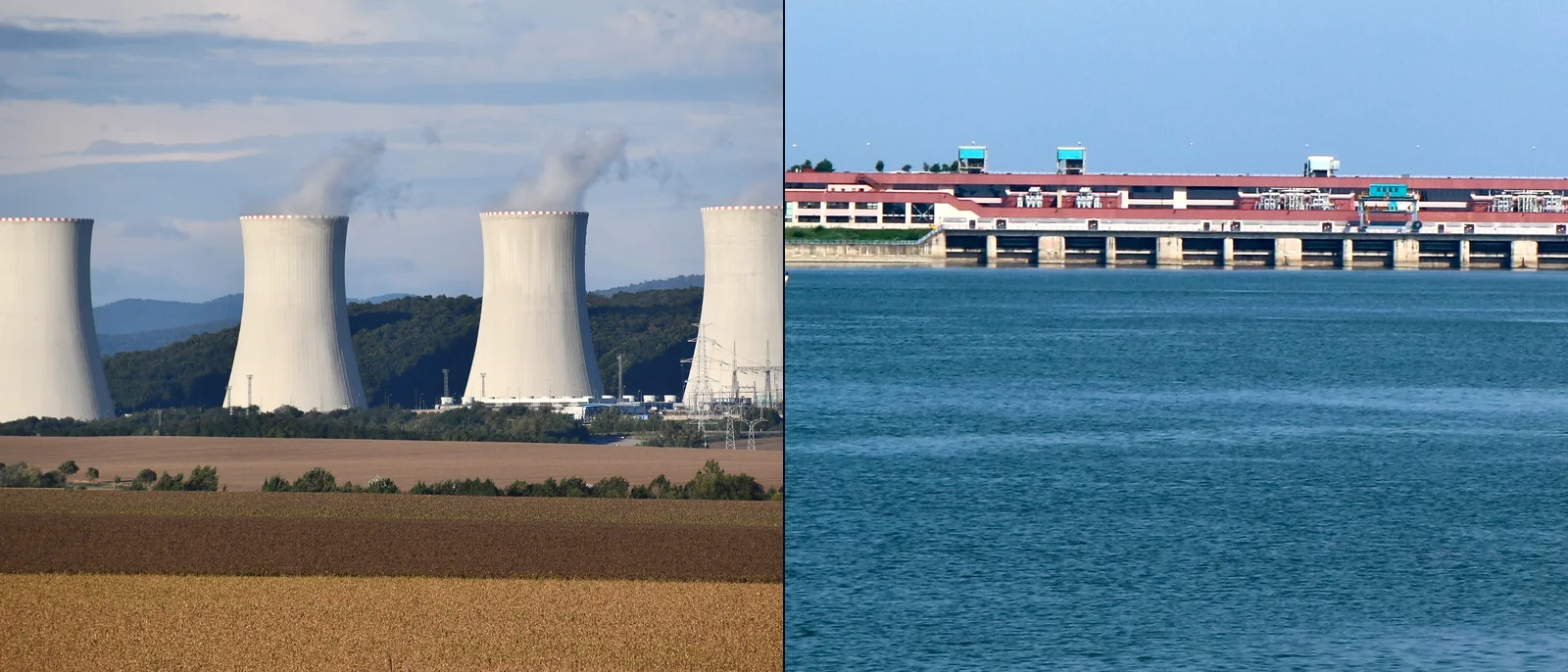
Slovakia draws over 80% of its electricity from nuclear and hydroelectric generation, one of the lower-carbon grids in Europe, supplied regionally through the ZSE/E.ON group. For an operator, that is not a marketing line; it is a reporting line. Carbon-free energy percentages and Scope 2 emissions are driven by the grid mix behind the meter, and a nuclear-and-hydro baseload grid is a structurally different starting point from the gas-heavy grids common elsewhere in Europe.
A note on wording, because precision is the point of this site: we say low-carbon, not renewable. Nuclear power is not renewable, and we won't call it that. It is low-carbon, dispatchable and domestic. That is what carbon accounting measures.
The grid-mix data is public and independently tracked. The sources below are the ones we use ourselves.
- Nuclear + hydro: 80%+ of generation
- Other sources
Frequently asked questions
How firm is the 80%+ low-carbon figure?
It is a grid-level figure, public and independently tracked: Slovakia draws over 80% of its electricity from nuclear and hydroelectric generation, one of the lower-carbon grids in Europe. The sources this page uses, SEPS annual data, the ENTSO-E Transparency Platform and Ember, are linked directly so the figure can be checked. Supply is regional through the ZSE/E.ON group, and the grid buildout beside the site is covered on The grid next door.
Why low-carbon rather than renewable?
Because nuclear power is not renewable, and we won't call it that. It is low-carbon, dispatchable and domestic, and that is what carbon accounting measures. The wording discipline is deliberate, in the same register as the documents-not-claims position on For buyers.
How does the grid mix flow through to our carbon reporting?
Carbon-free energy percentages and Scope 2 emissions are driven by the grid mix behind the meter, and a nuclear-and-hydro baseload grid is a structurally different starting point from the gas-heavy grids common elsewhere in Europe. For an operator, that is not a marketing line; it is a reporting line. How capacity is delivered against this grid, ~3 MW construction-ready today with a ~200 MW staged pathway, is set out on For tenants.